
Breathing Easier, Living Fuller: How Pulmonary Rehab Helped Charlie Yetzer Reclaim His Life
August 28, 2026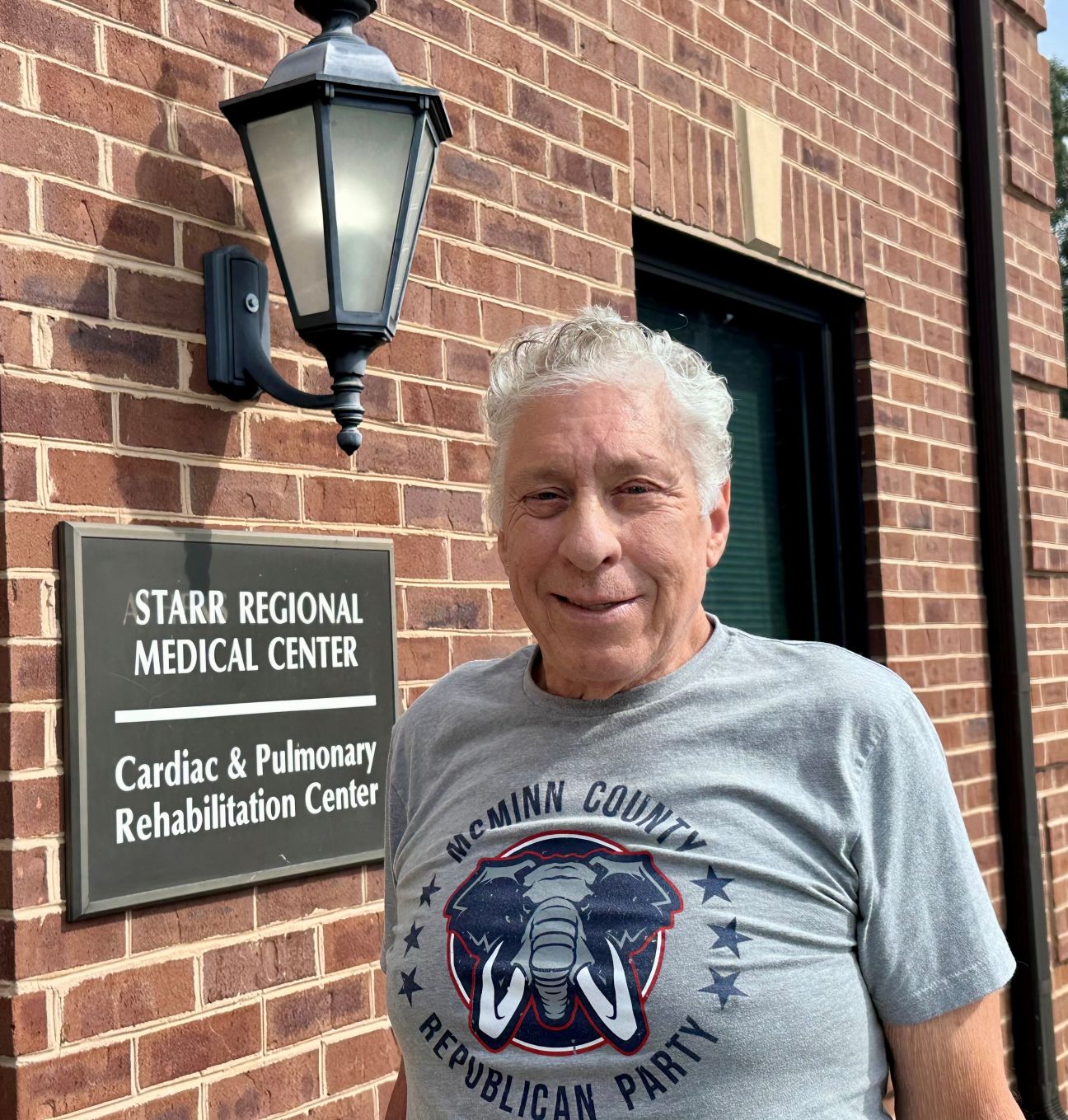
For years, Charlie Yetzer enjoyed staying active, serving his church and community, and spending time on the open road riding his motorcycle. But after moving from upstate New York to Tennessee nearly nine years ago, he received a diagnosis that would change his life: chronic obstructive pulmonary disease (COPD) and emphysema.
A retired welder, Yetzer began experiencing increasing difficulty breathing and frequent COPD flare-ups that often led to hospital visits. As his condition progressed, even simple daily activities became challenging, and he gradually lost the independence he valued.
"I had no energy to even get up from my recliner and walk across the room," Yetzer recalled. "I didn't want to spend the rest of my time on Earth like that."
At first, Yetzer resisted recommendations from his primary care physician to attend pulmonary rehabilitation because he was not ready to quit smoking. As his condition worsened and daily activities became more challenging, he realized it was time to make a change.
"The second time my doctor mentioned pulmonary rehab, I asked for the referral," he said. "I knew I needed to quit smoking and I was unhappy with the limitations COPD had put on my life."
Pulmonary rehabilitation at Starr Regional Medical Center combines monitored exercise, education, and support to help patients with chronic lung conditions improve their strength, endurance, and quality of life. The program is designed to help participants manage symptoms, reduce hospitalizations and regain confidence in performing daily activities.
"I started rehab and began to notice improvements in my breathing and what I was able to do," Yetzer said. "The more I came to work out, the more improvement I saw. Now I can ride my motorcycle again. I can go swimming and I can climb stairs without worrying about not being able to catch my breath."
After completing the recommended number of visits, Yetzer chose to continue participating in the maintenance program and has remained active in pulmonary rehab for the past 18 months.
"I could go to the gym or work out at home, but that isn't as safe as coming to pulmonary rehab," he said. "There are professionals here to monitor you while you work out. They help you know your limits and take care of you if you try to do too much."
Today, the improvements extend far beyond his physical health. Yetzer says pulmonary rehabilitation has restored his independence and improved his emotional well-being.
"I'm just 68 years old," he said. "I didn't think I'd get to enjoy the years I have left because of smoking and COPD. That was the motivation I needed to ask my doctor about coming to pulmonary rehab and quit smoking."
He also credits the program's supportive environment for helping him stay motivated.
"Everyone here is great, from the staff to the other patients who come here to work out," Yetzer said. "There's a lot of camaraderie. We encourage each other to keep going, and I've made new friends coming here."
Looking back, Yetzer says pulmonary rehabilitation has made a life-changing difference.
"I couldn't do the things I do every day without pulmonary rehab," he said. "Their encouragement and seeing signs of improvement motivated me to continue with the program. I love riding my motorcycle, and before I came to rehab, I thought I'd never be able to do that again."
According to Taylor Cook, EP, MBHA, Cardiac/Pulmonary Rehabilitation Supervisor at Starr Regional Medical Center, Yetzer's story demonstrates the impact pulmonary rehabilitation can have for patients living with chronic lung disease.
"Pulmonary rehabilitation helps patients with conditions such as COPD, emphysema and other chronic respiratory illnesses improve their endurance, manage symptoms and regain confidence in their daily lives," Cook said. "Charlie's commitment to the program and his determination to improve his health have been remarkable. Seeing him return to activities he enjoys, maintain his independence and experience a better quality of life is exactly why pulmonary rehabilitation is so important. His success shows that with the right support and dedication, patients can make meaningful improvements and continue doing the things they love."
For Yetzer, the results speak for themselves.
"I feel like a completely different person than I was before pulmonary rehab," he said. "I am enjoying life again."
If you have have been diagnosed with a chronic lung condition, speak with your primary care provider to find out if pulmonary rehabilitation is right for you. To learn more about the program, call 423.744.3321.